
 Chocolate begins its joueney long before a bar is moulded, wrapped, or tasted.
It begins with a living tree vulnerable, precious, and quietly at risk.
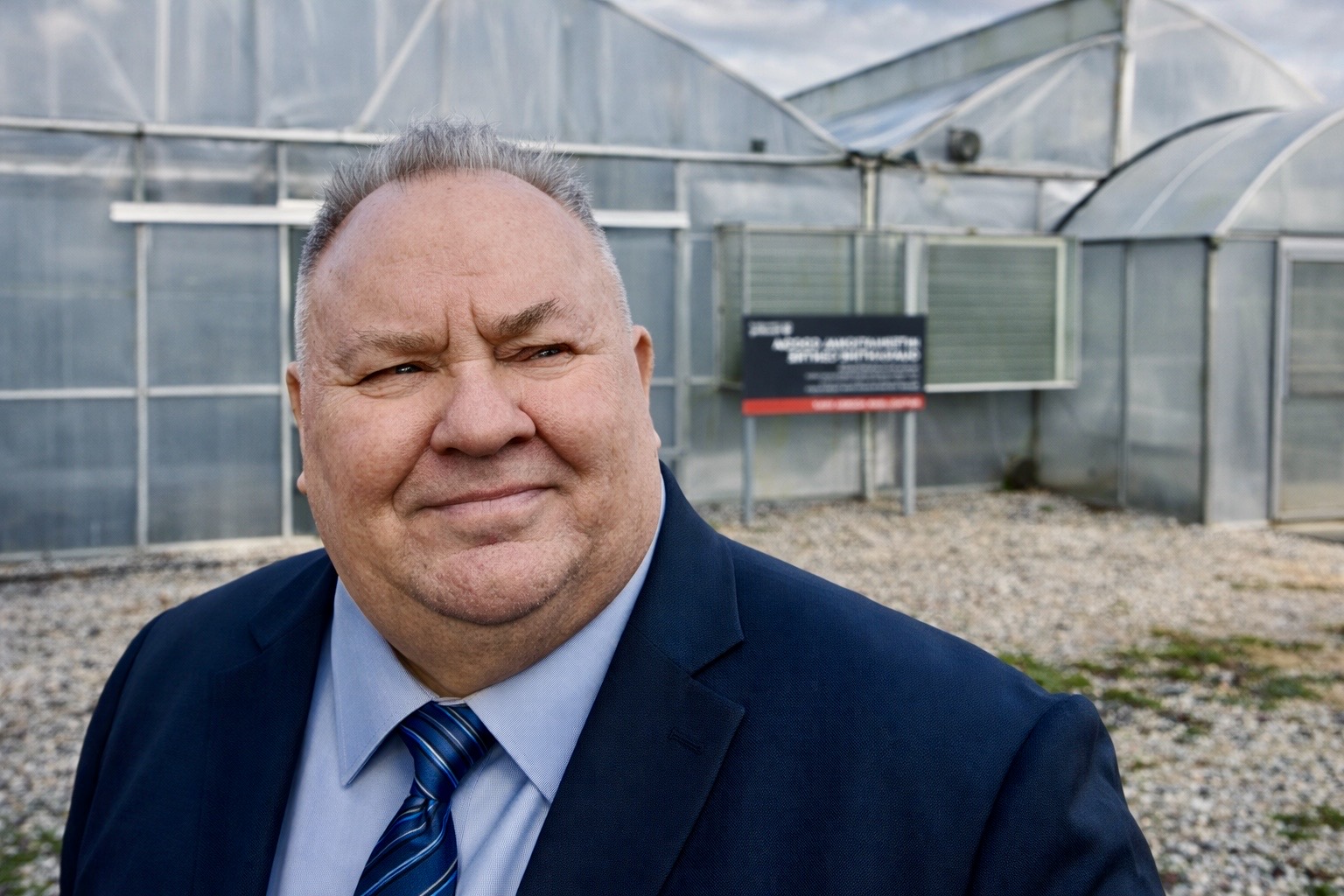
I was invited to visit the cocoa quarantine facilities at the University of Reading, including the International Cocoa Quarantine Centre (ICQC).
The visit offered me a rare view into one of the least visible yet most critical elements of the global cocoa system: plant health protection.
This is the unseen work that underpins cocoa’s future its diversity, resilience, and ultimately its flavour.
Cocoa quarantine exists to protect agriculture and ecosystems from the introduction and spread of devastating plant pests and diseases.
Cocoa (Theobroma cacao) is particularly vulnerable. Across producing regions, outbreaks of fungal, viral, and insect-borne diseases have reshaped landscapes and livelihoods.
Once introduced, many threats are extremely difficult and sometimes impossible to eradicate.
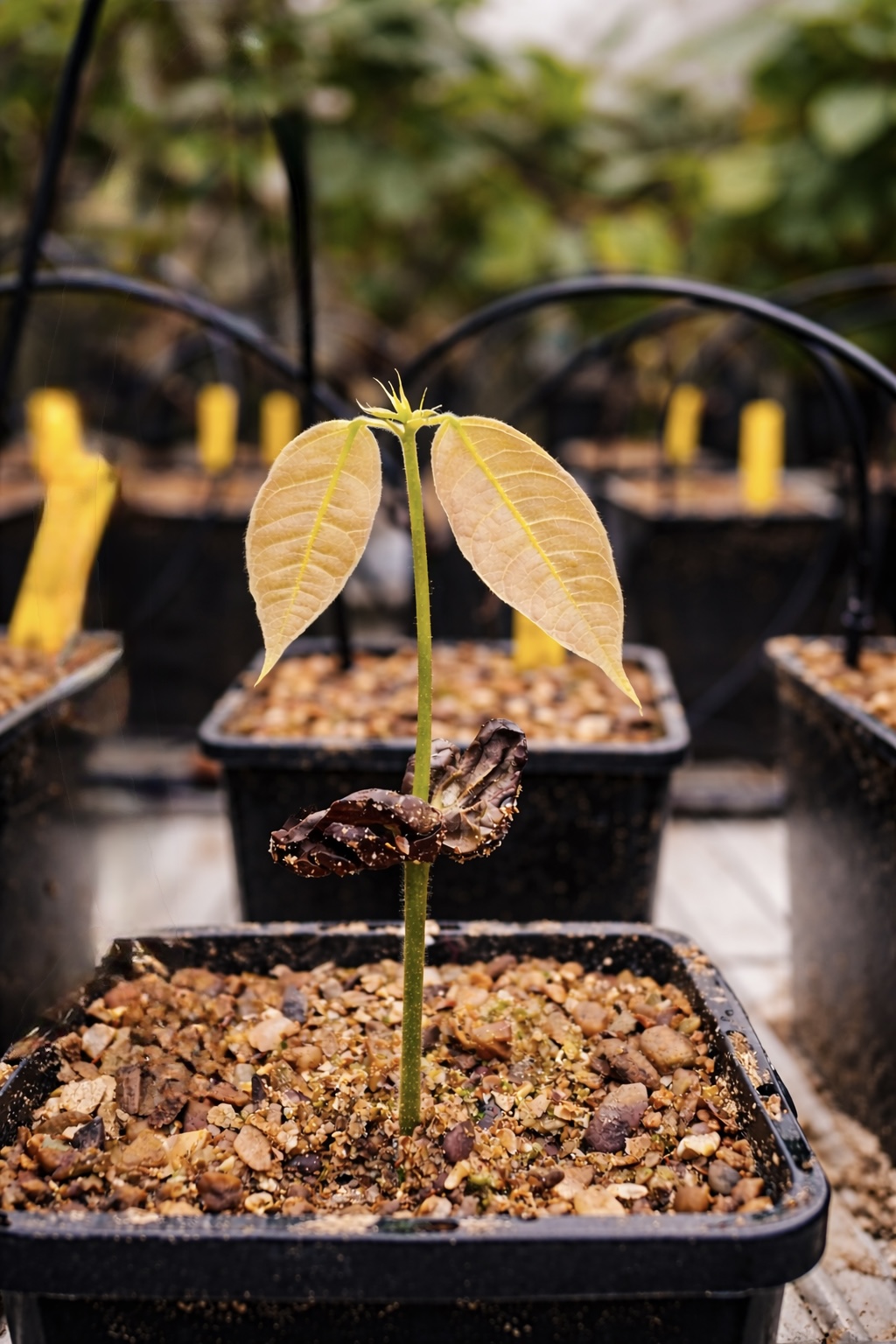 Quarantine ensures that cocoa plant material entering the UK for research or breeding is:
• Fully isolated
• Closely monitored over time
• Prevented from interacting with the external environment
This is frontline defence for a global crop.
Inside the quarantine environment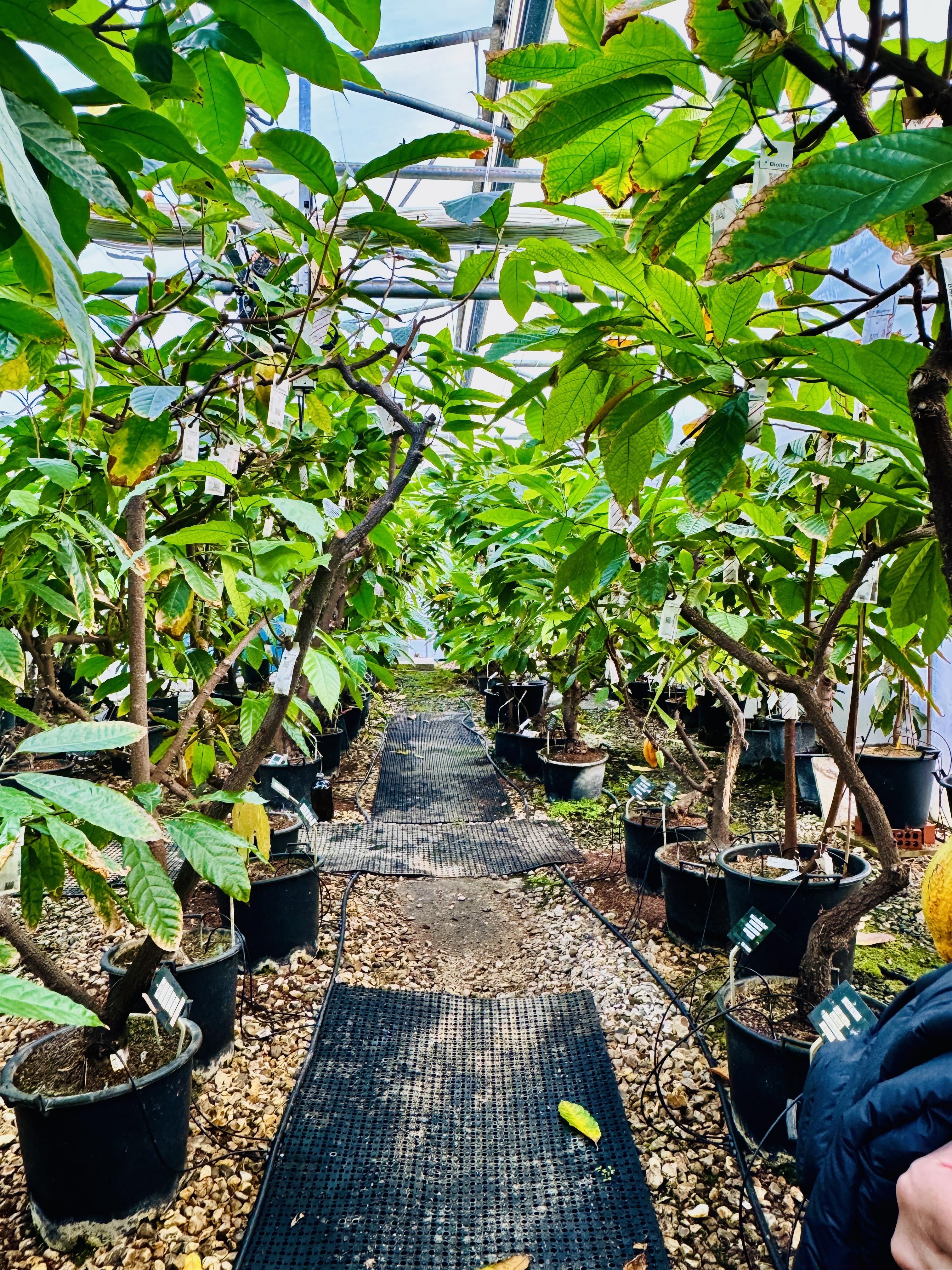
The facilities are designed to simulate tropical growing conditions while remaining completely contained. Temperature, humidity, airflow, and light are tightly controlled, allowing cocoa plants to grow under constant observation.
What struck me immediately was the precision:
• Access is tightly controlled
• Plants are handled individually or in carefully separated groupings
• Tools and surfaces are managed to prioritise sterility
• All plant waste is treated as a potential biosecurity risk
The approach reflects internationally recognised best practice in plant quarantine and biosecurity.
Disease, detection and the cost of getting it wrong
Cocoa’s history offers sobering lessons. Diseases such as witches’ broom and frosty pod rot have devastated production and altered entire cocoa economies.
Quarantine enables researchers to:
• Observe plants over extended periods
• Identify both visible and latent symptoms
• Prevent the accidental release of pathogens
What happens here protects not only UK research collections, but also international breeding programmes and future planting material. Seen up close, the fragility of cocoa and what is at stake becomes unmistakably clear.
For Coeur de Xocolat®, clients flavour is inseparable from origin.
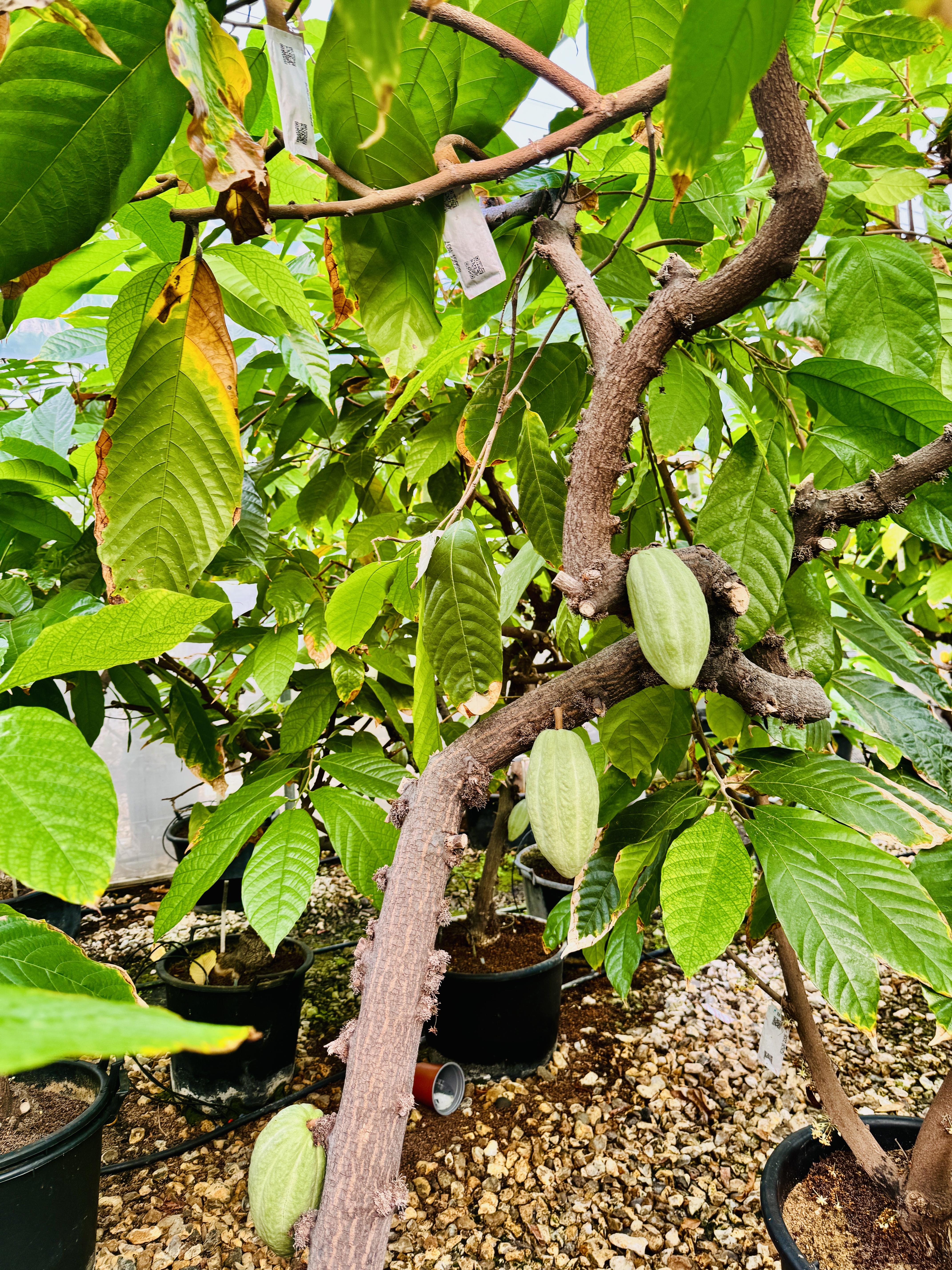 Healthy trees:
• Produce better fruit
• Require fewer interventions
• Preserve genetic diversity and distinctive flavour profiles
Resilient plants allow farmers to focus on quality rather than survival. Quarantine plays a quiet but essential role in:
• Preserving heirloom and flavour-distinct varieties
• Supporting disease-resistant breeding without genetic erosion
• Enabling safe international collaboration
Every conversation about terroir, fermentation, and craft chocolate rests on this invisible groundwork.
Bridging the gap
There is a stark contrast between the protection afforded in quarantine facilities and the realities faced daily by farmers at origin, often with limited tools, training, or support.
This isn't a criticism; it is a reminder, if we are serious about cocoa’s future, the gap must be closed through education, improved nursery practices, realistic disease management, and respect for the biology of the tree itself.
Chocolate does not begin in the factory, it begins with plant health.
My visit reinforced a conviction I’ve held for years: good chocolate depends on unseen systems done well.
Quarantine may feel distant from the pleasure of eating chocolate, but without it there is no security, no diversity, and definatly no future for the flavours we claim to cherish.
I’m grateful for the opportunity to see this work first-hand and to be reminded that cocoa’s story is as much about protection and patience as it is about creativity and craft.
With thanks to Andrew Daymond for arranging the visit, guiding me through the facility, and sharing his insight.
If you’d like to explore more about cocoa origins, flavour, and the systems shaping chocolate from pod to plate, follow Coeur de Xocolat® and Chocolate Safari®.