
Most chocolate stories begin too late.
They begin with the finished bar, the glossy wrapper or the percentage printed on the front. But the real story starts much earlier beneath the canopy of a cacao tree, inside a pod,
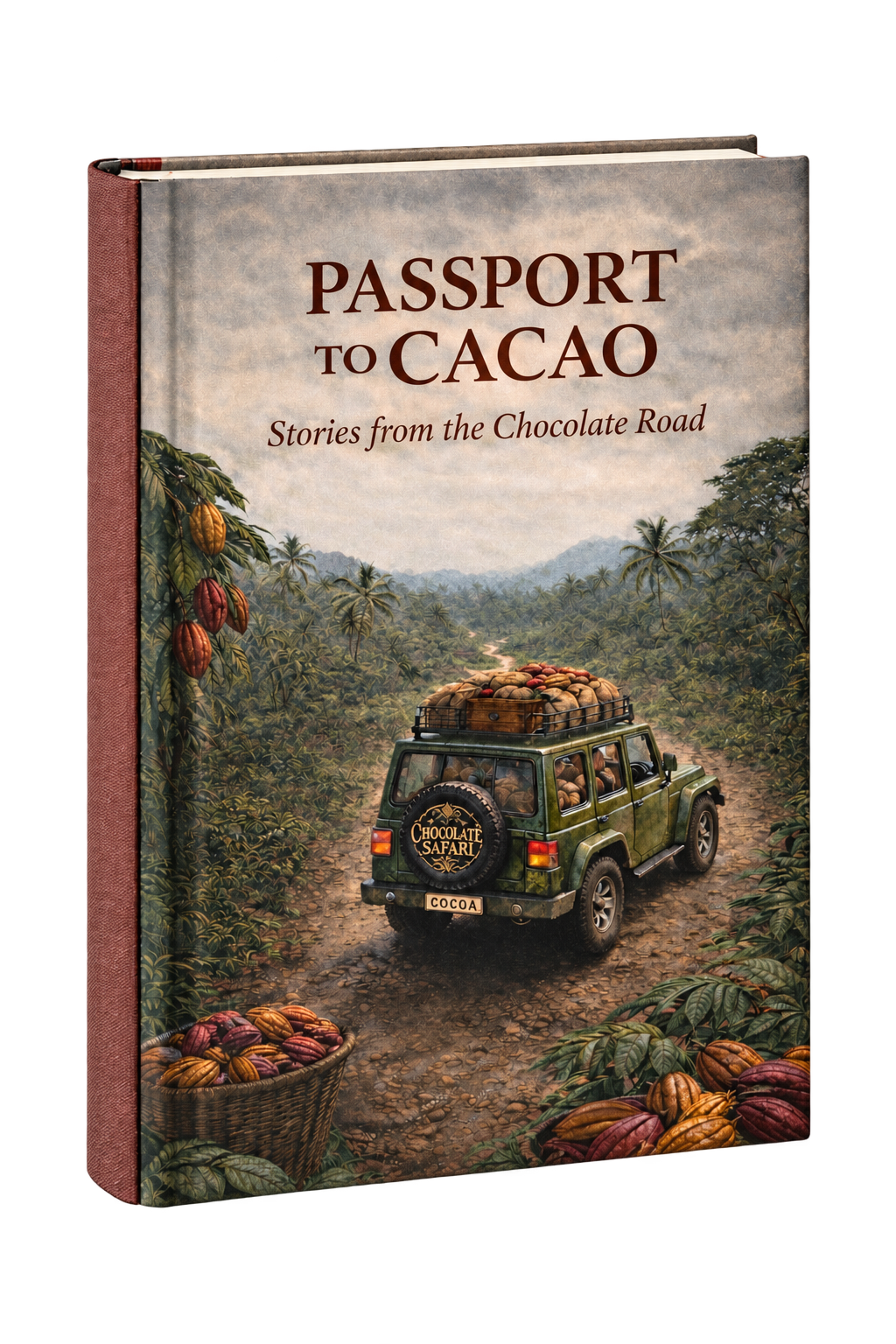 Passport to Cacao is now officially out in the world.
This is more than a book about chocolate. It is a journey into the places, people, history and possibilities behind it and an invitation to see cacao differently.
Copies have already begun travelling to Ghana, the Netherlands, Italy, France, Togo, São Tomé, the United States and, of course, here in the UK.
Not bad for a self-published book that started with one simple idea:
If you really want to understand chocolate, you have to start with cacao.
Not the shiny bar, or the gold wrapper, and percentage printed on the front.
The tree, pod, farmer.fermentation pile, drying tables, and the people whose hands touch cacao long before most chocolatiers ever see it.
A Book That Is Already Travelling
One of the most satisfying things since publication has been watching copies begin their own journeys.
Passport to Cacao has already found its way into nine different countries, universities, cocoa organisations and the hands of people working directly within the cacao sector.
A copy has reached COCOBOD headquarters in Accra, right in the heart of one of the world’s great cacao-producing nations.
I’ve also had the privilege of presenting copies during my work with Ghanaian colleagues and friends in the UK.
For a book created independently, seeing it start to travel internationally is something rather special, It feels appropriate too.
A book called Passport to Cacao should probably collect a few passport stamps of its own.
From Yorkshire to the Cacao World
Writing this book has made me think about the rather unlikely journey that brought me here.
I’m a chef and chocolatier from Yorkshire.
Yet chocolate has taken me into classrooms, universities, cocoa farms, hotel kitchens, international competitions and communities around the world.
I’ve taught chocolate, judged chocolate, made chocolate talked internationally about chocolate on stages and television.
But, more importantly, I’ve listened to the people who grow its raw material.
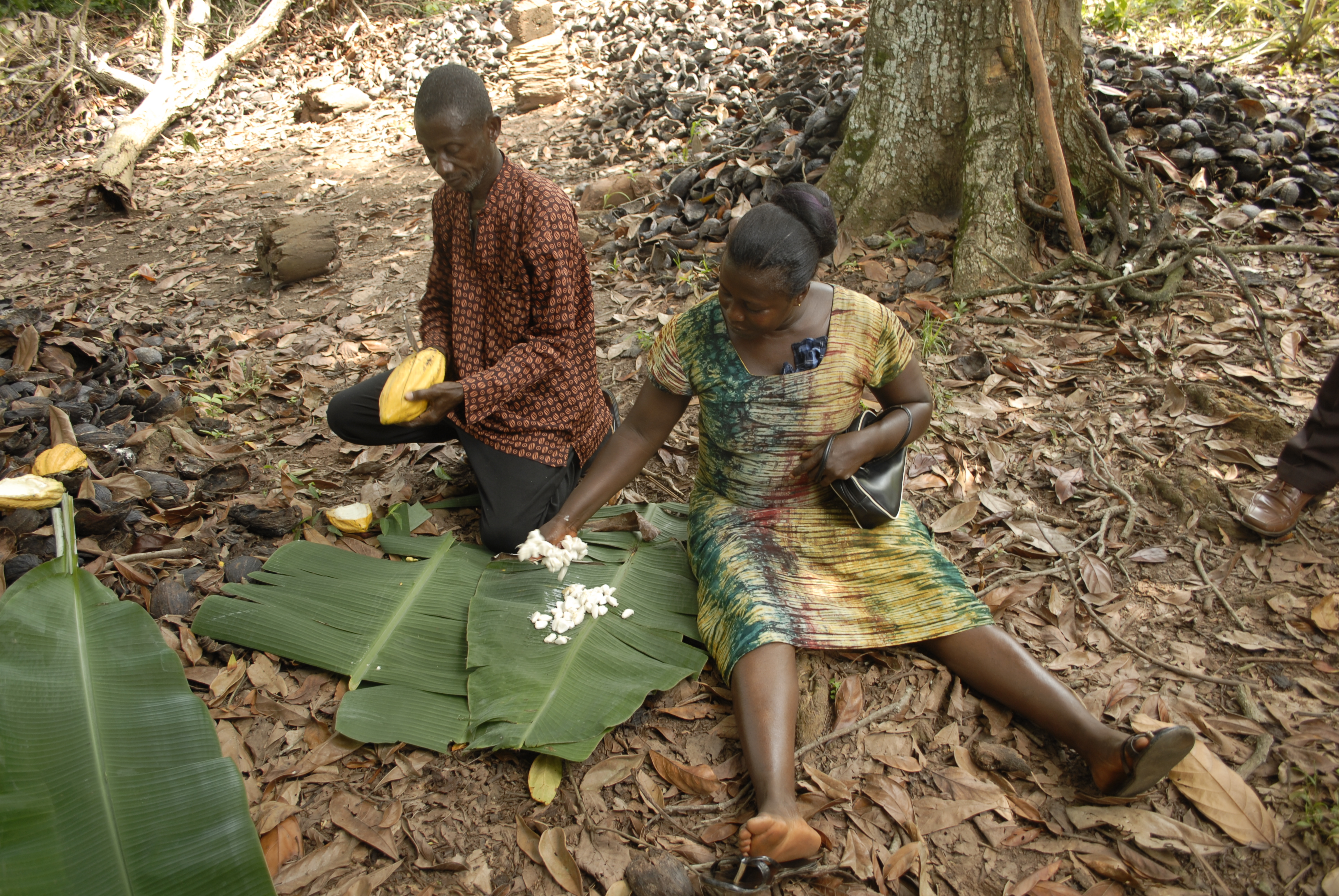 I’ve spent years travelling through the world of cacao, standing on cocoa farms in West Africa snd Haiti.
walking fermentation sites, markets, factories and warehouses.
I’ve talked to farmers, chocolate makers, chefs, students, exporters and people trying to create more value from cacao in the countries where it grows. That's where this book comes from.
Experience rather than theory.
Mud on the boots rather than PowerPoint slides.
Although, admittedly, I’ve made plenty of those too.
 Chocolate Has a Passport
One thing becomes very obvious once you’ve spent enough time at origin:
Chocolate is never just chocolate it carries its own geography, history. Colonialism. Trade. Craft. Science. Culture. Poverty. Innovation.
And some extraordinary human stories.
Passport to Cacao is my simple attempt to bring those stories together.
but from years of working, travelling, teaching, tasting and occasionally getting covered in cocoa pulp somewhere very far from home.
The People Behind the Pod
One of the dangers of the chocolate industry is that we spend a lot of time talking about percentages and origins while forgetting the people.
Cacao doesn’t magically appear in Antwerp, Amsterdam or London.
Someone had to plant the tree, clear the land, and harvested the pods.
Someone broke it open, fermented the beans, before drying them.
Someone carried those sacks.
By the time we unwrap a chocolate bar, dozens of decisions have already determined what you’re going to taste
Passport to Cacao puts those people and those places back into the story.
Because they belong there.
This Isn’t Just a Book About Eating Chocolate
Don’t misunderstand me.
I like eating chocolate.
I’ve made a career out of it.
But cacao deserves more attention than simply being turned into another luxury bar.
A cacao pod is an extraordinary thing.
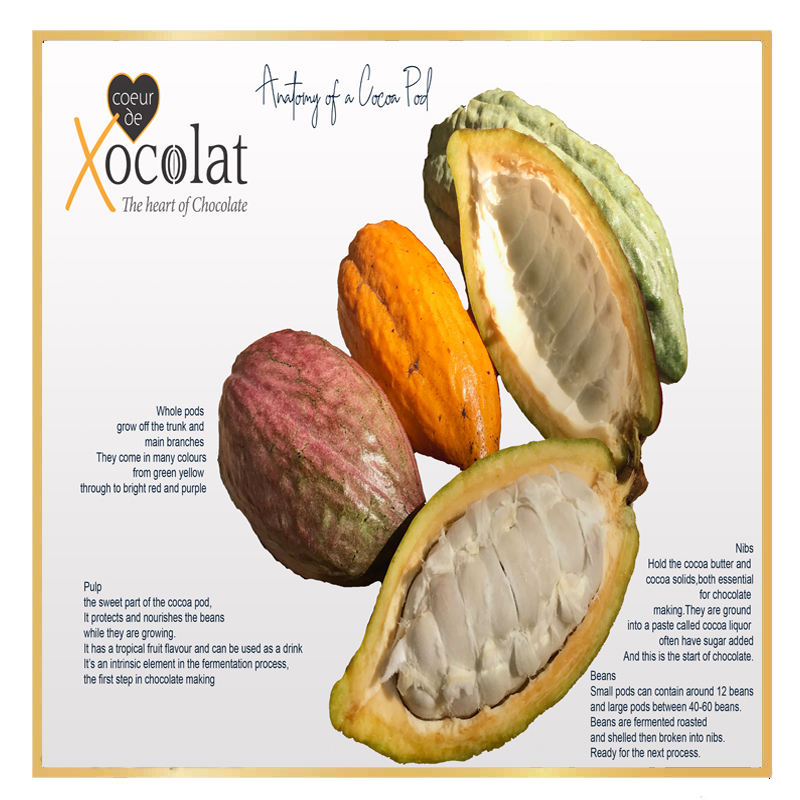 Inside it you’ll find beans, pulp, sugars, acids, flavour precursors and possibilities that most of the chocolate industry barely talks about.
Across cacao-growing countries I’m increasingly seeing people looking beyond the bean.
Cacao juice.
Pulp.
Vinegar.
Spirits.
Beer.
Food ingredients.
New products.
New businesses.
New ways of keeping more of cacao’s value closer to the communities that grow it, That’s a story worth telling.
Why I Wrote It
Because chocolate deserves context.
Because cacao farmers deserve names and faces.
Because African cacao deserves to be discussed as more than a commodity.
Because the future of chocolate depends on understanding what happens before the beans reach the factory.
And because the next generation of chefs, chocolatiers and chocolate lovers should know where the thing they love actually comes from.
If this book makes somebody look at a chocolate bar differently, I’ve achieved something.
If it encourages somebody to learn more about cacao origin, even better.
And if it helps shift a little more attention toward the people producing cacao and the opportunities for creating value at origin, then it has done exactly what I hoped it would do.
Where to Find the Book
Copies of Passport to Cacao are available from Cocoa Hub, both physically and digitally.
You can choose a physical copy to hold, read and share, or access the digital edition wherever you are in the world.
Your Passport Is Ready
So here it is, Passport to Cacao, part travel story, part chocolate education, part history, part challenge to the way we think about cacao.
And hopefully an invitation to look beyond the wrapper.
Because the real story of chocolate doesn’t begin in a chocolate shop.
It begins under a cacao tree.
Welcome to the journey.