
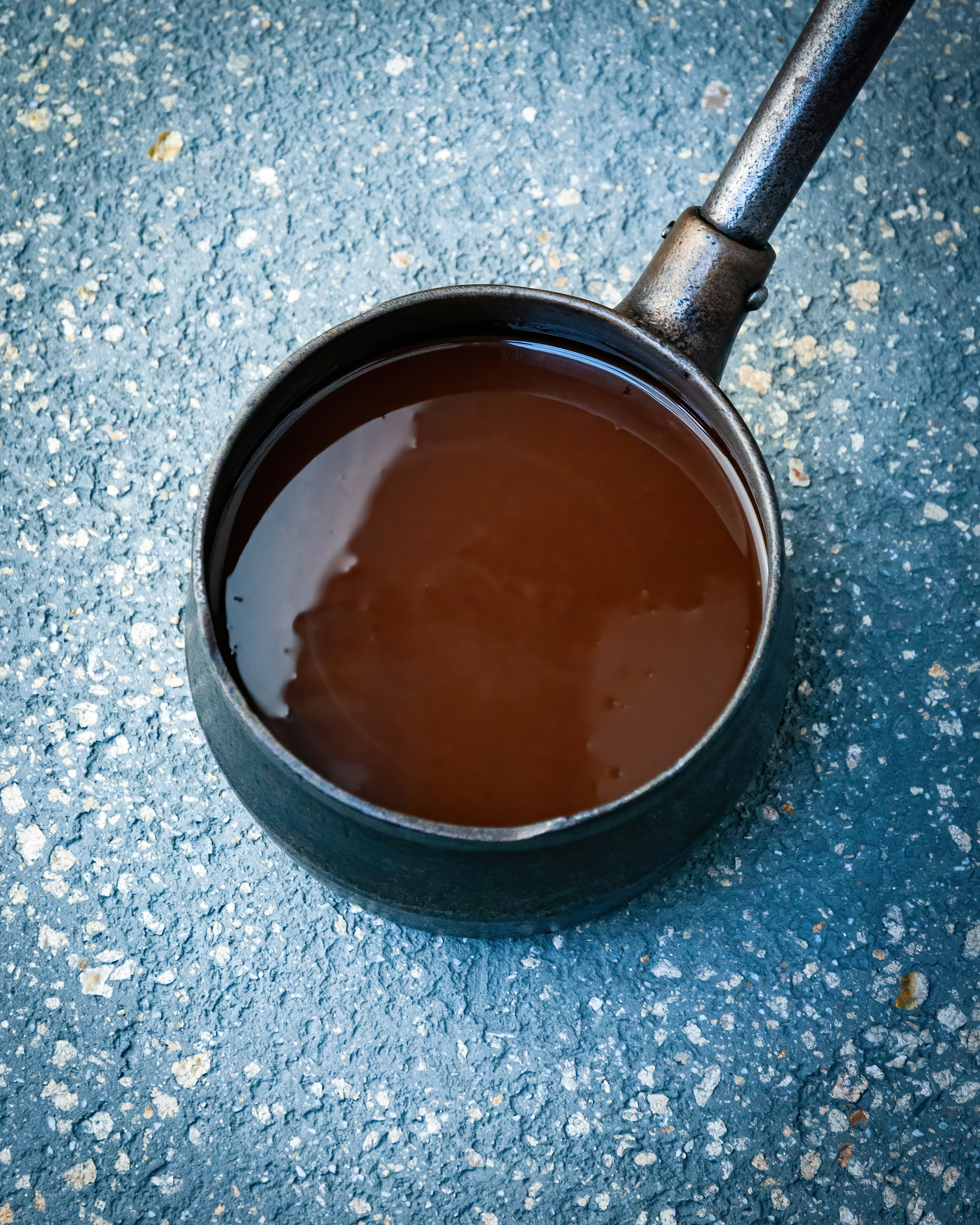
 It may not surprise you to know that toffee or caramel is the number one thing added to chocolate, just ahead of nuts and fruit.
The combination has stood the test of time, delighting taste buds for generations.
According to industry reports from Mintel (2023) and Euromonitor International, more than 30% of new chocolate launches feature some form of caramel or toffee inclusion proof that this golden, buttery confection remains a global favourite. Its appeal lies in perfect contrast: chewy meets smooth, sweetness meets depth, nostalgia meets indulgence. Caramel doesn’t just complement chocolate it completes it.
Caramel is rich, warm, and utterly moreish but it’s also dangerously sweet, so a little restraint is wise.
Have you ever wondered where our favourite golden indulgence came from?
Surprisingly, nobody actually knows for certain.
Isn’t it extraordinary that something so beloved, and so long established, can still keep its origins a mystery?
Where Did Caramel Come From?
The word caramel probably comes from the Portuguese word “caramelo,” itself derived from the Latin calamellus, meaning “small reed” a nod to the early form of crystallised sugar cane syrup.
The earliest versions of caramel are thought to date back to around 1,000 AD, when Arab confectioners began heating sugar and water into a golden syrup at first, it wasn’t made for eating it was used in beauty treatments, especially for waxing and sugaring, later this sticky delight evolve into something edible early recipes describe a “ball of sweet” made from crystallised sugar syrup.
Caramel à la Française
Caramel was one of the earliest sugar-based confections in Europe, but it was in Brittany, north-west France, that it truly found its home particularly in the form of caramel au beurre salé (salted butter caramel).
Two factors made Brittany the cradle of caramel:
1. Exceptional dairy the region’s rich milk and cream, and above all, its famed salted butter.
2. A royal tax exemption. In 1343, King Philippe VI of Valois introduced a salt tax known as la gabelle du sel. Brittany, however, was exempt meaning its farmers could use salt freely and cheaply.
That freedom shaped flavour history: Breton cooks began making caramel with salted butter, creating a distinctly savoury-sweet balance that remains beloved to this day.
The Modern Makeover
For centuries, caramel was little more than boiled sugar syrup. Then, around 1860, inventive chefs began adding milk and fat to the bubbling mix. The result was revolutionary: a softer, creamier caramel that could drizzle, coat, or fill the version we recognise today.
From there, caramel spread across Europe and the world, finding its perfect match in chocolate. Whether it’s a glossy salted caramel ganache or a chewy toffee centre, that golden thread continues to bind indulgence with nostalgia.
next time you savour that silky caramel centre in a bonbon or spoon it over ice cream, remember: you’re tasting a story that began a thousand years ago one that travelled from the beauty parlours of the Middle East to the butter churns of Brittany, and finally into the world’s favourite chocolate bars.
A simple blend of sugar, salt, and time proof that even the sweetest things have a complex past.

The science of caramelisation
Caramel may taste like magic, but its creation is pure chemistry.
When sugar is heated, something remarkable happens: the individual sucrose molecules break apart, and a cascade of chemical reactions begins. This process is called caramelisation distinct from the Maillard reaction, which involves amino acids and occurs in foods containing protein (like roasted cocoa or baked bread).
How It Works
Melting and Breakdown
At around 160°C (320°F), sucrose (ordinary table sugar) begins to melt. The heat breaks it into glucose and fructose, two simpler sugars that react and rearrange into hundreds of new flavour compounds.
Colour and Flavour Formation
As the sugar darkens, compounds such as diacetyl, maltol, and ethyl acetate form, creating caramel’s signature buttery, nutty, and fruity notes.
The deeper the colour, the more complex and bitter the taste which is why temperature control is crucial.
The Role of Fat and Dairy
When butter, milk, or cream are added, their proteins and amino acids introduce mild Maillard reactions, layering extra flavours from toffee and fudge to butterscotch and condensed milk. This hybrid chemistry explains why a simple caramel can taste so astonishingly rich.
Salt and Flavour Enhancement
A pinch of salt doesn’t just add contrast it suppresses bitterness and heightens sweetness perception by balancing the way our taste receptors fire.
That’s why salted caramel feels more rounded and satisfying than plain sugar syrup.
 In Numbers
Caramelisation starts: ~160°C
Peak flavour development: 170–180°C
Beyond 185°C: sugars carbonise and turn bitter
(Sources: McGee, On Food and Cooking, 2004; Belitz et al., Food Chemistry, 2019; University of Bristol Food Science Notes, 2021)
Chef’s Notes: How to Pair Caramel with Chocolate
Caramel and chocolate are a timeless match one built on contrast.
The warmth of caramel balances the depth of cocoa, while its sweetness softens bitterness and sharp acidity, the key to harmony is balance, not overload. Here’s how to get it right.
1. Match Intensity with Intensity
A deep, dark caramel with bitter notes of toasted sugar works best with 70–75% dark chocolate, especially origins like Ghana or São Tomé, which have natural cocoa-butter richness and roasted nut undertones.
For lighter, creamier caramels, try milk chocolate with 40–50% cocoa the roundness complements the dairy character.
2. Play with Texture
Soft caramel (made with cream and butter) shines as a bonbon filling, where it can ooze luxuriously against a crisp chocolate shell.
Chewy caramels benefit from a touch of sea salt and a thin chocolate enrobing, giving satisfying resistance when you bite.
Drizzle or sauce caramels pair beautifully with hot chocolate or cold-brew cocoa drinks a glossy swirl that amplifies aroma and mouthfeel.
3. Add a Pinch of Salt
Salted caramel isn’t a modern fad; it’s a French tradition that dates back centuries, asmall pinch of fleur de sel heightens both caramel and cocoa, awakening hidden flavour notes just be sure to stop before it tastes saline.
4. Think in Flavour Families
Fruity darks (like Madagascar or Peru): pair with light, buttery caramel or those scented with vanilla or tonka.
Nutty darks (like Ghana or Ecuador): love salted or smoked caramel.
White chocolate: treat as a dairy canvas for caramelised sugar or honeyed caramels think dulce de leche or burnt honey syrup.
5. Experiment with Origins
Each cocoa origin reveals a new side of caramel:
Ghana: bold, nutty, toffee-like ideal for classic salted caramel.
São Tomé: rich, aromatic perfect for coffee infused caramel.
Peru: bright and fruity complements floral caramel with citrus or passionfruit notes.
Madagascar: sharp and tangy contrasts beautifully with brown-butter caramel.
Chef’s Tip
When pairing, caramel should never outshine the chocolate. Aim for a 60:40 balance in flavour enough sweetness to round the edges, but not so much that the cocoa disappears.
If you fancy making your own whiskey salted caramel sauce at home click here