
Untempered chocolate is often treated as a mistake.
It may look dull rather than glossy. It might develop pale streaks, feel softer than expected or bloom after sitting for a while.
It won't necessarily give you that clean, satisfying snap associated with a perfectly tempered bar.
But that doesn't mean the chocolate is ruined.
Provided it has been stored safely and shows no signs of contamination, unpleasant odours or spoilage, bloomed or untempered chocolate can still have excellent flavour. In many recipes, the crystalline structure of the cocoa butter is completely irrelevant because the chocolate will be melted, mixed, baked or eaten immediately.
For a professional kitchen, this makes untempered chocolate a valuable ingredient rather than a waste product.
Here are twelve of the best ways to use it.
1. Make Ganache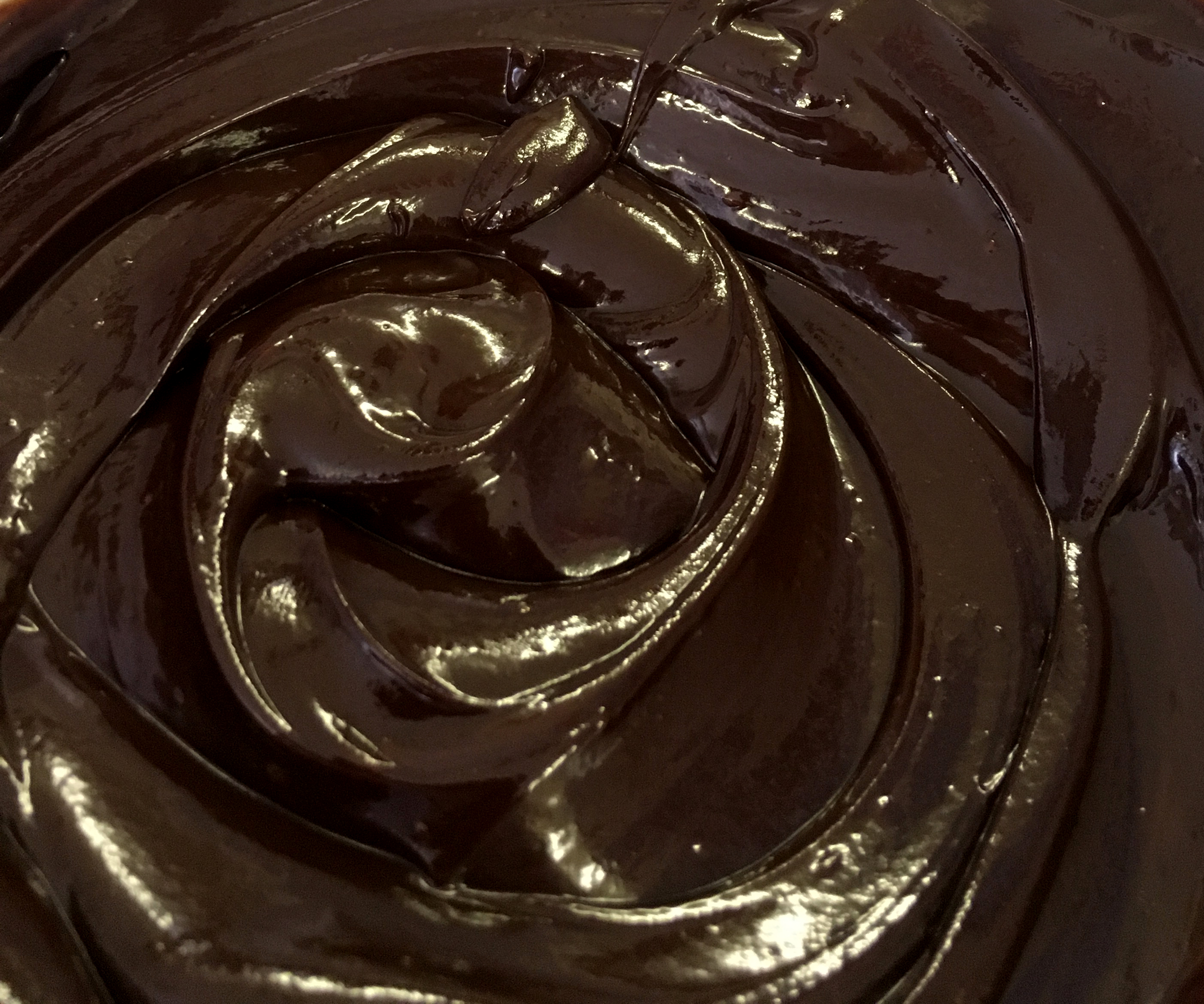
Ganache is perhaps the finest destination for untempered chocolate.
The chocolate is melted and combined with cream, butter, fruit purée, alcohol or another liquid. Because the original cocoa butter crystal structure is destroyed during melting, there is no need to temper chocolate intended solely for ganache production.
Use it for:
Hand-rolled truffles
Bonbon fillings
Chocolate tart fillings
Cake frosting
Whipped ganache
Chocolate sauces
Layered desserts
The quality and flavour of the chocolate still matter. Its shine and snap do not.
2. Bake Brownies, Cakes and Traybakes 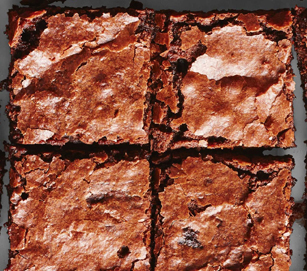
Untempered chocolate works beautifully in baked products because it is melted into the batter or chopped and dispersed throughout the mixture.
It is ideal for:
Brownies
Blondies
Chocolate cakes
Muffins
Cookies
Tiffin
Rocky road
Chocolate traybakes
Once the chocolate enters the oven, tempering becomes irrelevant.
Bloomed chocolate can therefore be transformed into something rich, indulgent and commercially useful rather than being thrown away.
 3. Turn It into Drinking Chocolate
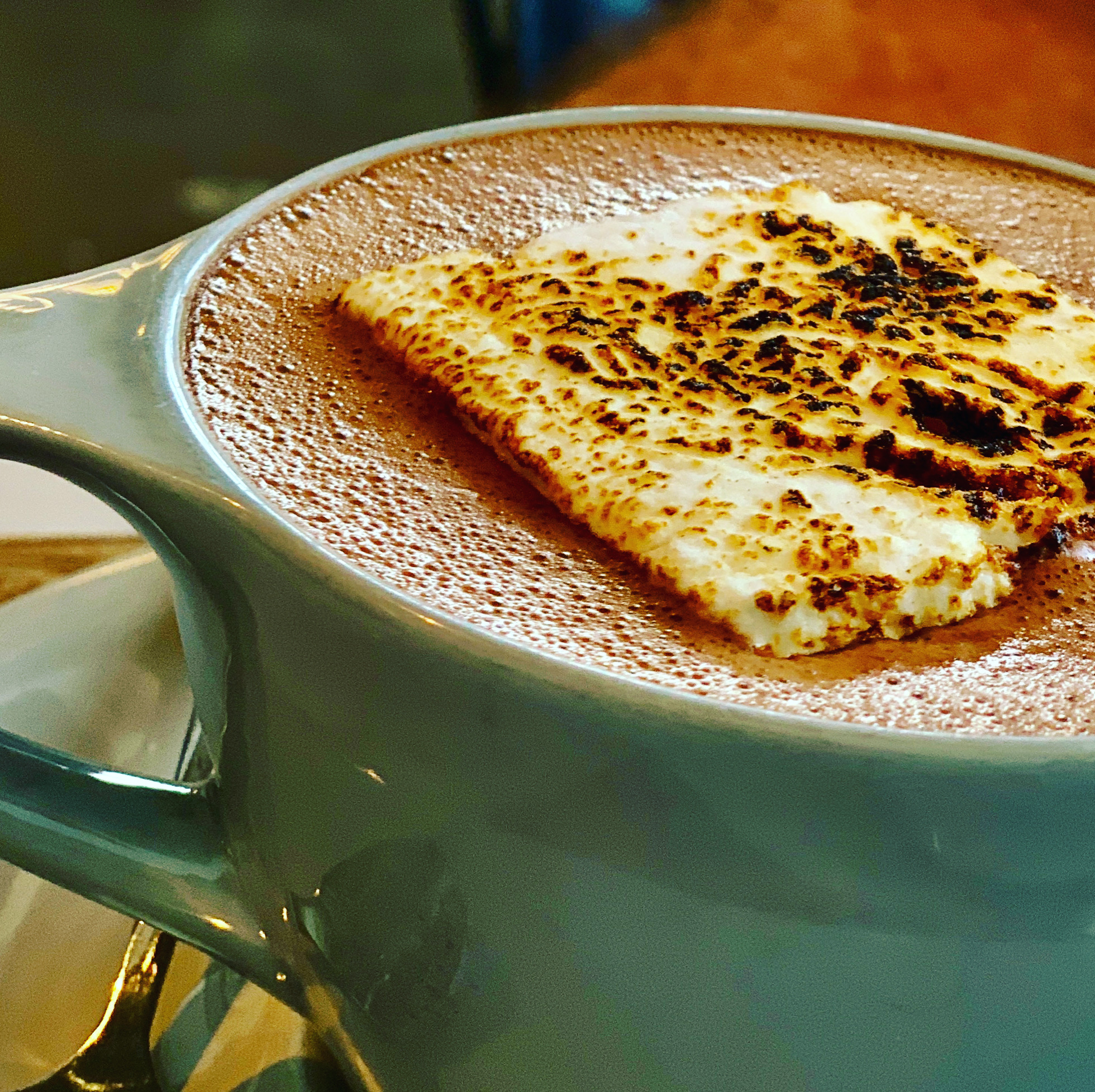
Bloomy or untempered chocolate is perfect for hot chocolate and drinking chocolate.
Chop, grate or blend it into flakes and use it for:
Traditional hot chocolate
Thick European-style drinking chocolate
Mocha-style drinks
Iced chocolate
Frozen drinking chocolate
Café chocolate syrups
Single-origin chocolate can be approached much like coffee. Different origins, cocoa percentages and roasting styles can produce noticeably different flavour experiences in the cup.
A dull-looking bar may still produce an exceptional drink.
4. Make Chocolate Ice Cream or Gelato 
Chocolate destined for ice cream, gelato or semifreddo will usually be melted into a custard, dairy or plant-based base.
Untempered chocolate works particularly well in:
Chocolate ice cream
Gelato
Semifreddo
Frozen parfait
Chocolate sorbet
Frozen mousse desserts
Using good-quality chocolate rather than relying entirely on cocoa powder can give the finished dessert greater richness, body and flavour complexity.
5. Create Sauces and Dessert Components
Untempered chocolate melts readily into sauces and plated dessert elements.
Use it for:
Chocolate sauce
Profiterole sauce
Chocolate fondue
Chocolate gravy
Pouring ganache
Dessert glazes
Chocolate crémeux
Warm dipping sauces
It can also be incorporated into custards, pastry creams and dessert fillings.
When the chocolate is being melted and combined with other ingredients, its previous temper has no practical importance.
6. Explore Savoury Chocolate Cookery
Chocolate does not have to remain on the dessert menu.
Untempered dark chocolate can bring bitterness, roasted notes, depth and body to savoury dishes. This approach sits naturally within my Whole Pod Philosophy™ and Cocoa & Flame work, where cacao is treated as a versatile culinary ingredient rather than simply a sweet flavour.
Melt it into:
Barbecue glazes
Mole-style sauces
Chilli sauces
Braising liquids
Red wine sauces
Marinades
Rich meat sauces
Bean and vegetable stews
Finely grated chocolate can also be introduced carefully into spice blends and cocoa-based rubs.
The intention is not usually to make the dish taste obviously of chocolate. It is to use cacao to deepen the other flavours already present.
7. Add It to Bread and Viennoiserie
Untempered chocolate can be chopped, grated or folded into enriched doughs.
Try it in:
Chocolate babka
Brioche
Chocolate bread
Sweet buns
Danish pastries
Croissants
Pain au chocolat-style pastries
Sourdough with chocolate and dried fruit
Chunks of chocolate can create irregular pockets of flavour, while grated chocolate can be distributed more evenly through a dough or filling.
8. Prepare Mousse, Bavarois and Cream Desserts
Because the chocolate is melted before being incorporated, untempered chocolate works perfectly in set and aerated desserts.
Use it for:
Chocolate mousse
Bavarois
Pots de crème
Chocolate panna cotta
Chocolate cream desserts
Parfaits
Cheesecake fillings
Layered verrines
The final texture will depend far more on the recipe, cocoa percentage and balance of fat, liquid and aeration than on whether the original chocolate was tempered.
9. Make Rustic Decorations for Immediate Use
Not every chocolate decoration needs to survive for weeks or possess a mirror-like shine.
For desserts that will be assembled and served promptly, untempered chocolate may be used for:
Chocolate curls
Shavings
Rustic shards
Chocolate soil
Crumbled chocolate
Drizzles
Brush strokes
Informal plated decorations
These decorations may not have the gloss, strength or stability of properly tempered chocolate, but they can still provide flavour, height, texture and visual contrast.
For precision work or decorations that must withstand handling, tempering remains the better choice.
10. Produce Chocolate Spreads
Untempered chocolate is an excellent starting point for spreads and spoonable products.
It can be combined with nuts, seeds, oils, honey, dairy ingredients or flavourings to make:
Chocolate and hazelnut spread
Gianduja-style fillings
Chocolate nut butters
Chocolate honey spread
Praline paste
Chocolate tahini
Chocolate syrup
Breakfast spreads
Because these products are designed to remain soft or spreadable, the snap of tempered chocolate is neither needed nor desirable.
11. Create Chocolate Concentrates and Café Bases
Untempered chocolate can be melted into concentrated bases for drinks and desserts.
It can be used to produce:
Drinking chocolate concentrates
Cold chocolate bases
Café syrups
Mocha concentrates
Frozen chocolate drink mixes
Chocolate sauces for hospitality service
It can also be paired with cold-infused cacao preparations to create drinks with several layers of cocoa flavour.
A concentrated base can help cafés, hotels and event caterers deliver a more consistent drink while reducing preparation time during service.
12. Establish a Rework System
Many professional kitchens keep suitable leftover chocolate for reworking.
This might include:
Chocolate left in a tempering machine
Bloomed bars
Unused chocolate from demonstrations
Offcuts from decorations
Chocolate that has set without being tempered
Clean production remnants
Keep different types of chocolate separate where possible. Dark, milk, white and flavoured chocolates will behave differently and may contain different allergens.
Label the container clearly with the chocolate type, date and intended use.
Reworked chocolate can then be directed into:
Ganache
Brownies
Cookies
Cakes
Ice cream
Drinking chocolate
Sauces
Bakery products
This turns an apparent production failure into a useful ingredient and supports a more thoughtful approach to kitchen waste.
When Should Untempered Chocolate Be Avoided?
Untempered chocolate is generally unsuitable when appearance, contraction, snap and long-term stability are essential.
Avoid using it for:
Moulded chocolate bars
Bonbon shells
Hollow figures
Easter eggs
Chocolate showpieces
Thin, polished decorations
Enrobed products requiring a glossy finish
Products that must release cleanly from a mould
Long shelf-life decorative work
These applications require stable cocoa butter crystals.
Correct tempering helps chocolate contract as it sets, release from moulds, resist bloom, develop a clean snap and maintain an attractive surface.
A Practical Chocolatier’s Rule
A useful rule is this:
If the chocolate will be melted again, mixed with other ingredients, baked or consumed promptly, tempering is usually unimportant.
If it needs to shine, snap, release from a mould or remain stable for an extended period, tempering becomes essential.
Untempered chocolate is not automatically bad chocolate.
Sometimes it is simply chocolate waiting for a different job.
By understanding where temper matters—and where it does not—we can reduce waste, protect ingredient costs and discover more imaginative ways to use chocolate throughout the kitchen.